




What To Do If Your Vehicle Overheats On The Road?
Modern Chevy vehicles, such as the Silverado 1500 and the Traverse, have a range of safety features designed to keep your engine running smoothly. However, there may be times when your engine’s components are under so much strain that they overheat. Identifying when your engine is overheating and deciding what to do can make the difference between a simple maintenance job and a costly auto repair. Our engine experts here at Stan McNabb Chevrolet in Columbia have some helpful tips.
What Are Some Signs That My Engine Is Overheating?
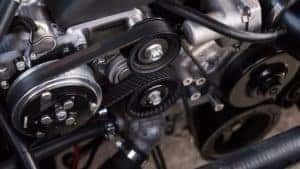
Gray and black engine by Chad Kirchoff is licensed with Unsplash
The most obvious sign that your engine has a temperature problem is if your thermostat increases into the red danger or “H” range on the gauge. This indicates that the temperature under the hood is reaching a dangerously hot level and that your coolant can no longer do its job properly.
Another warning sign is if you see steam rising from the hood of your Equinox or Malibu. The steam may be accompanied by unusual smells coming from under the hood. If your coolant is leaking, you may notice a sweet smell. A burning odor often accompanies oil leaks. These types of fluid leaks can be the cause of an overheating engine.
What Can I Do When My Car Overheats?
If your car’s thermostat starts to climb or you notice any of the warning signs described above, it’s critical to take prompt action. Driving an overheating vehicle risks damaging its engine and related components. One of the first things you should try is turning on your car’s heater. In some cases, this step may be enough to stop your engine from overheating since it draws heat away from the engine compartment and distributes it into the vehicle cabin.
If the warning light stays on or the temperature gauge doesn’t fall, it’s time to find a safe spot to pull over on the side of the road. Stopping your car is the only way to ensure your engine’s temperature drops.
When you come to a stop, avoid opening your hood immediately to inspect the engine. Fluids in an overheated engine can rise to over 200 degrees Fahrenheit, so it’s important to wait at least 15 minutes before looking under the hood. If you have roadside assistance, use the time while waiting for them to arrive to let your car’s engine cool.
You can still work on your overheated vehicle if you don’t have roadside assistance. You’ll need some basic maintenance tools and equipment in your vehicle. These items include a small toolbox, a few quarts of engine oil, a supply of coolant consisting of 50% antifreeze and 50% water, a towel, and heavy-duty gloves.
After waiting 15 minutes to allow the car’s engine to cool, open the hood and place the towel over the radiator cap. Carefully turn the radiator cap approximately a quarter of the way around to release any pressure that may have built up while the coolant was overheating. Then remove the radiator cap and top up the coolant until it reaches the “Full” line. You should also add coolant to the overflow reservoir attached to your radiator. You can now close the hood and try restarting your engine to see if the temperature gauge drops.
Even if your immediate overheating problem is resolved by adding more coolant, you won’t have fixed the underlying problem. That’s why it’s important to drive to a reliable auto service center as quickly as possible. A professional auto technician can inspect your car’s engine and identify what’s causing the problem. They can replace the parts that may be causing your vehicle’s engine to overheat, such as a broken radiator fan, damaged hoses, or damaged and leaking components.
One thing to avoid, at all costs, is to continue driving as if nothing happened. While you may have resolved your engine’s immediate overheating troubles by adding some coolant, the problem may not be solved easily the next time it overheats. Moreover, running your vehicle’s engine without taking care of the underlying problem could result in extensive damage and expensive repairs.
Why Do Engines Overheat and How Can I Prevent it?
Your truck or crossover engine can overheat for various reasons. An overheated engine can be avoided by sticking to a routine maintenance schedule and allowing a professional mechanic to inspect your vehicle and replace components before they wear out.
Some common causes for an overheating engine could be a clogged coolant hose, a broken water pump, or a leak in a coolant system hose. All of these items are inspected during a routine, multi-point inspection, which one of our Chevy-trained mechanics will perform during your maintenance appointment. Another typical cause of overheating is low engine coolant, which you can solve by regularly topping up the coolant level in your vehicle.
Engine coolant typically lasts up to 100,000 miles of driving, which is about seven or eight years for the average driver. After this point, the belts and hoses in a coolant system generally need replacing. A professional auto technician at our Columbia service center can perform this work. Based on an inspection, our service technicians can tell whether any components in your car’s coolant system are approaching the end of their working lives. Our technicians can perform preventative maintenance, so you don’t have to deal with an overheating engine.
Now that you know about the seriousness of an overheating engine and the damage it can cause, we hope you appreciate the importance of preventative auto maintenance. Our auto technicians at the Columbia Chevy service center can take care of your car’s preventative maintenance needs. We perform engine oil changes, coolant replacements, and repairs to hoses and other components daily. We can perform a full range of maintenance checks on your Chevy Colorado or Blazer to ensure your vehicle is in top condition. This includes checking your vehicle’s tires, brakes, battery, and more.
To reserve your service appointment, take advantage of our online booking form. Don’t forget to check out our service specials page to benefit from our current incentives.
0 comment(s) so far on What To Do If Your Vehicle Overheats On The Road?