



2027 Chevrolet Bolt RS FWD: A First-Time EV Charging Guide for Columbia Drivers
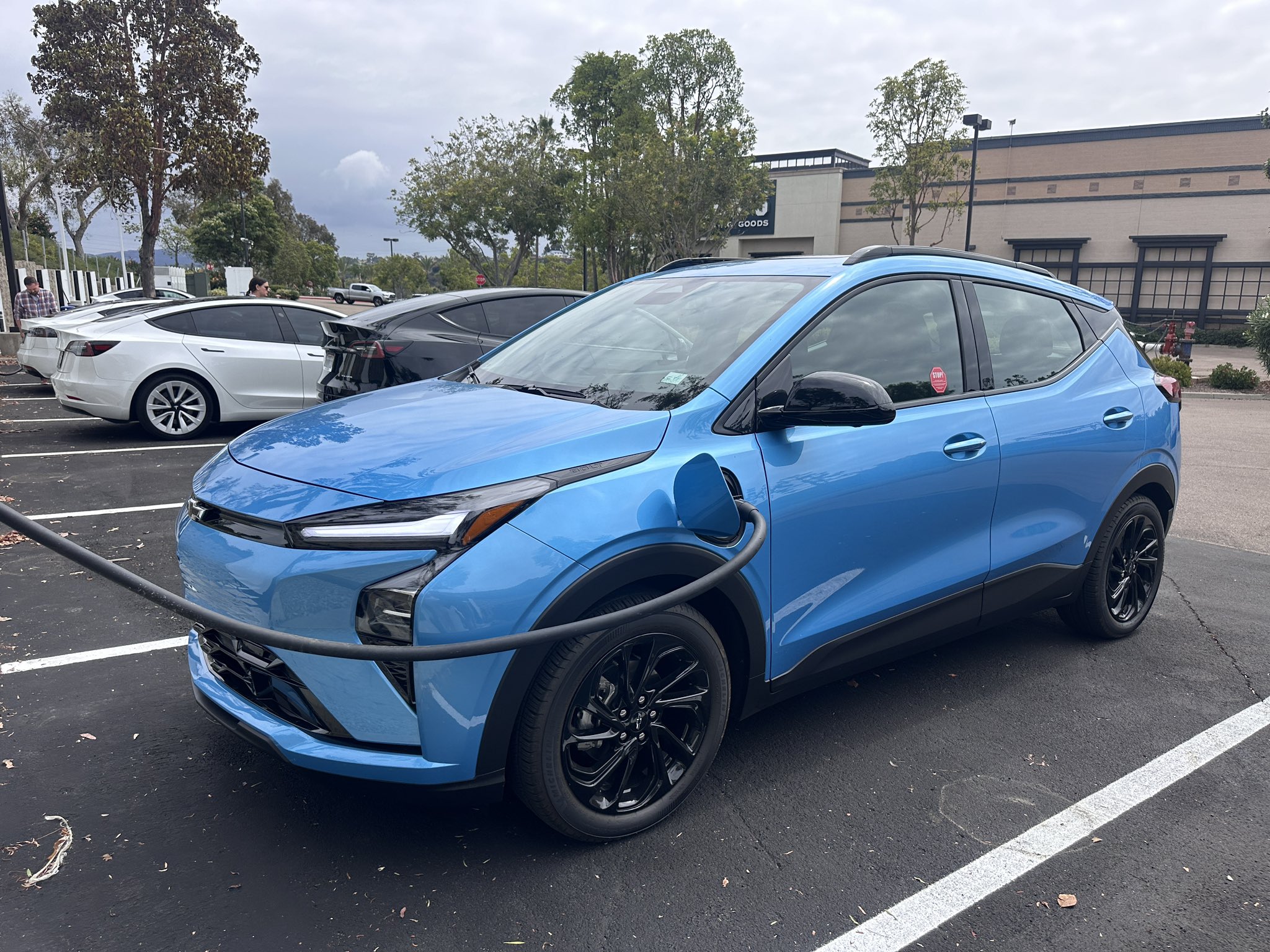
This content was aggregated from local dealer data and insights provided by the USA Today Network Automotive Insights team using Google Gemini and the Vehicles For Sale Near Nashville – Tennessean marketplace writing team.
2027 Chevrolet Bolt RS FWD: A First-Time EV Charging Guide for Columbia Drivers
Making the switch to an electric vehicle is an exciting step, and for many first-time EV shoppers, questions about charging are often at the forefront. If you’re considering a new Chevrolet Bolt, understanding how charging fits into your daily life is key to a smooth ownership experience. This guide will help you create a practical charging plan before you purchase your first electric vehicle, ensuring you’re ready to enjoy the benefits of the 2027 Chevrolet Bolt RS FWD.
Understanding Home Charging Options
For many drivers, charging the Chevrolet Bolt at home is the most common and convenient method. There are two primary types of home charging:
- Level 1 Charging: This uses a standard 120-volt household outlet, similar to plugging in any appliance. It’s the slowest option, typically adding only a few miles of range per hour. Level 1 charging is useful for topping off the battery overnight, especially if you have a short daily commute.
- Level 2 Charging: This requires a 240-volt outlet, similar to what an electric dryer uses, and often involves installing a dedicated charging unit. Level 2 charging is much faster, capable of fully recharging your 2027 Chevrolet Bolt overnight or during a workday. Many EV owners in Columbia find this a practical solution for daily charging.
When Public Charging Makes Sense
While home charging is the backbone of EV ownership, public charging stations are essential for longer journeys and when you need to charge away from home. Public charging includes Level 2 options and DC fast charging:
- Public Level 2 Charging: These stations are found at workplaces, shopping centers, and other public locations. They offer the same charging speed as home Level 2 units and are great for adding significant range while you’re parked for a few hours.
- DC Fast Charging: This is the fastest way to charge your Chevrolet Bolt, often adding hundreds of miles of range in under an hour, depending on the charger’s capability and the vehicle’s state of charge. DC fast charging is ideal for road trips through Tennessee and beyond, allowing you to quickly get back on the road.
It’s important to remember that actual charging times can vary. Factors such as the charger’s capability, the battery’s current state of charge, battery temperature, external weather conditions, and the specific vehicle configuration of your 2027 Chevrolet Bolt RS FWD can all influence how quickly your vehicle recharges.
Building a Charging Routine Around Your Lifestyle
Most EV owners primarily charge their Chevrolet Bolt at home, using public charging stations for road trips and occasional longer drives. Your charging habits will largely depend on your daily mileage, commute length, and overall lifestyle needs. For instance, a driver in Spring Hill with a short daily commute to Columbia might only need to charge their new Chevrolet Bolt a few times a week with Level 2 charging, or even rely mostly on Level 1 if their mileage is very low. Those who frequently travel to Nashville or other parts of Middle Tennessee will find DC fast charging invaluable for minimizing travel time.
Beyond Charging: Why the 2027 Chevrolet Bolt RS FWD Stands Out
While preparing your charging plan is crucial, the 2027 Chevrolet Bolt RS FWD offers many other compelling reasons for first-time EV buyers. Its compact dimensions make for easy maneuverability, whether you’re navigating city streets in Columbia or parking in tight spots. Inside, you’ll find modern technology, including an available 11.3″ Diagonal Advanced Color LCD Display and SiriusXM with 360L Trial Subscription, keeping you connected and entertained. Passenger comfort is a priority, with standard Heated Driver and Front Passenger Seats, a Heated Steering Wheel, and available Ventilated Driver and Front Passenger Seats, all complemented by Evotex Seat Trim. The practical cargo flexibility, typical of a Sport Utility vehicle, ensures you have space for groceries, gear, or luggage for weekend getaways. Standard safety features like Front Pedestrian Braking also provide added peace of mind.
Frequently Asked Questions
Do I need a home charger before buying a Chevrolet Bolt?
While not strictly required, installing a Level 2 home charger before or soon after purchasing your 2027 Chevrolet Bolt is highly recommended for the most convenient and efficient charging experience.
What is the difference between Level 2 and DC fast charging?
Level 2 charging uses a 240-volt connection and is suitable for overnight or multi-hour charging, typically found at homes and public locations. DC fast charging is a much higher power option, designed for rapid charging on road trips or when time is limited, providing significant range in a shorter period.
How do first-time EV owners plan charging?
First-time EV owners typically plan by assessing their daily driving needs. Most rely on home charging for regular use and map out public charging stations for longer trips or when away from home, ensuring their new Chevrolet Bolt always has enough range.
Visit Stan McNabb Chevrolet Columbia Today
Ready to experience the future of driving with the 2027 Chevrolet Bolt RS FWD? Our team is here to answer all your questions about EV ownership, charging, and the impressive features of this outstanding electric vehicle. We look forward to assisting you.
Written for Stan McNabb Chevrolet Columbia
By the USA TODAY Network Automotive Insights Team, in collaboration with https://vehiclesforsalenearnashville.com and the Vehicles For Sale Near Nashville – Tennessean.
Disclaimer: This article’s content is intended for informational purposes only. Vehicle specifications and features are based on data provided by J.D. Power and local dealerships and may vary by individual vehicle, VIN, trim, configuration, packages, and optional equipment. Vehicle images may not depict the exact model, trim, features, packages, accessories, or specifications described. Vehicle pricing, availability, features, and specifications are subject to change without notice. Please reference the dealership’s vehicle listing and window sticker or consult the dealership directly for complete and accurate details.
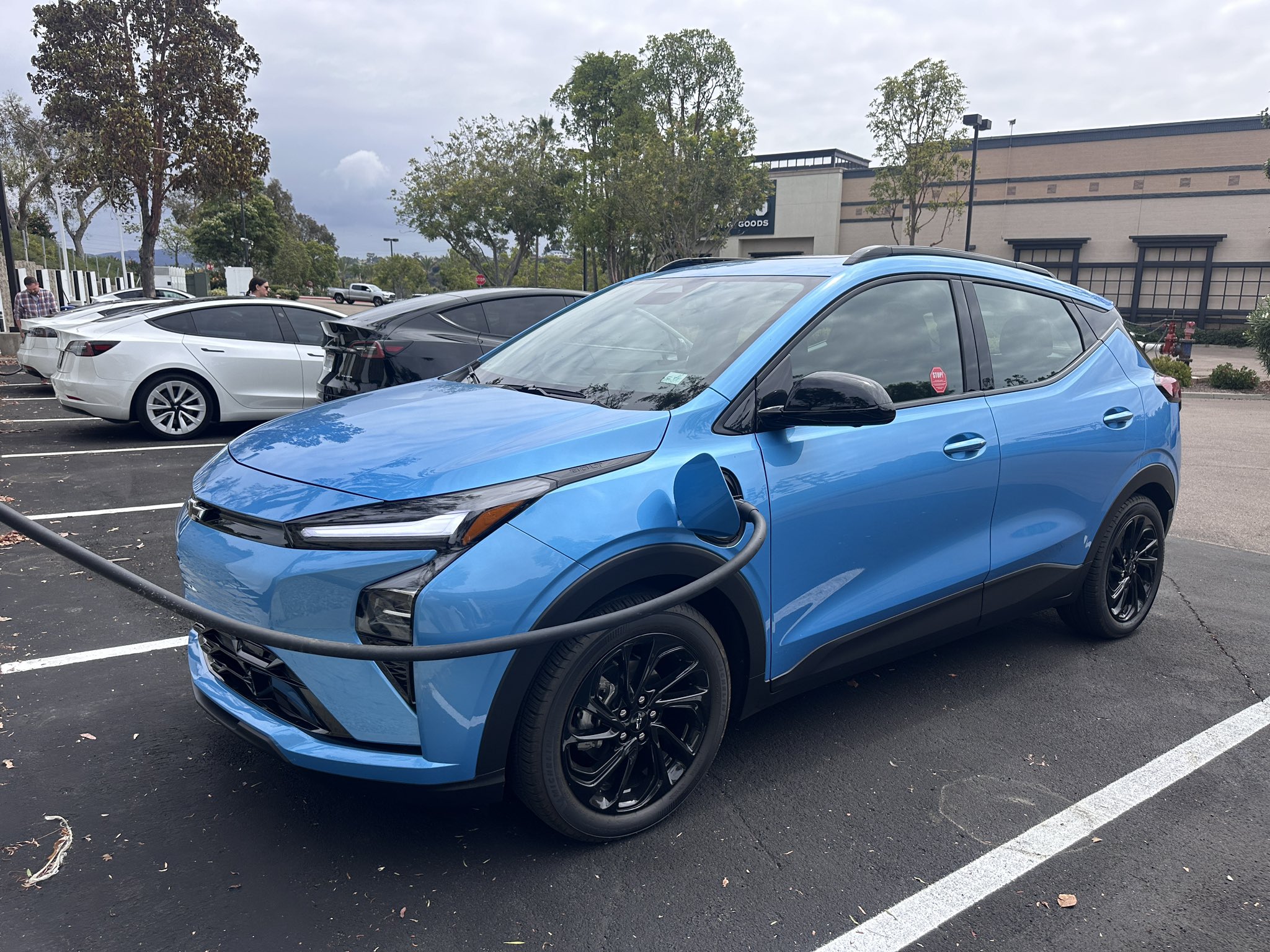
This content was aggregated from local dealer data and insights provided by the USA Today Network Automotive Insights team using Google Gemini and the Vehicles For Sale Near Nashville – Tennessean marketplace writing team.
Your First Electric Vehicle: A Charging Guide for the 2027 Chevrolet Bolt
Making the switch to an electric vehicle is an exciting step, and for many first-time EV shoppers, understanding how charging fits into daily life is a key consideration. The 2027 Chevrolet Bolt offers a compelling option for those ready to embrace electric driving. At Stan McNabb Chevrolet Columbia, we understand that new EV buyers often have questions about charging at home, charging away from home, and preparing for longer trips. This guide will help you create a practical charging plan before you purchase your first electric vehicle, ensuring a smooth transition to EV ownership.
Questions to Ask Before Buying Your First EV
Before bringing home a new Chevrolet Bolt, considering your daily habits and environment can help you prepare for EV ownership. Here is a practical checklist:
- Where will your 2027 Chevrolet Bolt be parked overnight? Is there access to an electrical outlet at home?
- Do you have a 240-volt outlet available for Level 2 charging at home, or will you primarily rely on a standard 120-volt outlet for Level 1 charging?
- How often do you take longer trips, for example, driving from Columbia to Nashville, or exploring destinations beyond Middle Tennessee?
- Is public charging accessible along your regular routes, such as during your commute to Franklin or Spring Hill, or near places you frequently visit?
Understanding Home Charging Options
Most EV owners find that home charging covers the majority of their needs. There are two main types of home charging:
Level 1 Charging: Everyday Convenience
Level 1 charging uses a standard 120-volt household outlet, the same type you use for everyday appliances. It’s the slowest charging method, typically adding about 3-5 miles of range per hour. While slow, it’s convenient for overnight trickle charging, especially for drivers with shorter daily commutes. Simply plug in your Chevrolet Bolt when you arrive home, and it will slowly replenish its battery.
Level 2 Charging: Faster Home Power
Level 2 charging utilizes a 240-volt outlet, similar to those used for electric dryers or ovens. This option requires a dedicated charging unit and often professional installation. Level 2 charging significantly speeds up the process, adding approximately 20-30 miles of range per hour, depending on the charger and vehicle configuration. For many EV owners in Columbia, a Level 2 home charger is the most practical solution, allowing them to fully charge their 2027 Chevrolet Bolt overnight.
When Public Charging Makes Sense
While home charging is primary for many, public charging stations are essential for longer journeys and occasional top-ups.
DC Fast Charging: Quick Stops on the Go
DC fast charging is the fastest public charging option, capable of adding a substantial amount of range in a relatively short time, often 30-60 minutes. These stations are typically found along major highways and at commercial centers, making them ideal for road trips across Tennessee. It’s important to remember that actual charging times can vary based on the charger’s capability, the battery’s current state of charge, battery temperature, and prevailing weather conditions.
Public Level 2 charging stations are also available in many locations, offering a convenient way to add range while you’re shopping, dining, or at work in areas like Franklin or Spring Hill. These are slower than DC fast chargers but faster than Level 1, perfect for topping off your battery while you go about your day.
Building a Charging Routine Around Your Lifestyle
For most drivers, charging their electric vehicle becomes a seamless part of their routine. Many EV owners primarily charge their Chevrolet Bolt at home, taking advantage of overnight charging to start each day with a full battery. Public charging stations are then used for road trips, longer drives, or when an unexpected need for a charge arises. Your ideal charging habits will depend on your daily mileage, commute length, and overall lifestyle needs. For example, a driver in Middle Tennessee with a 30-mile daily commute might find that Level 1 charging at home is sufficient, while someone regularly traveling longer distances will benefit greatly from a Level 2 home charger and occasional DC fast charging on the road.
Is the 2027 Chevrolet Bolt Right for You?
Beyond charging considerations, the 2027 Chevrolet Bolt offers numerous benefits that make it an excellent choice for first-time EV owners. This Sport Utility vehicle provides easy maneuverability, thanks to its compact dimensions and a wheelbase of 105.3 inches. It combines modern technology with passenger comfort and practical cargo flexibility, making it versatile for city driving and weekend adventures alike. This particular 2027 Chevrolet Bolt RS FWD, finished in Mosaic Black Metallic with a Jet Black with Red Stitching interior, boasts an estimated range of 262 miles and a robust 210 HP from its electric drive unit.
Standard features on the Chevrolet Bolt RS FWD include Keyfob remote start, a Heated steering wheel, Heated driver and front passenger seats, and Front Pedestrian Braking for enhanced safety. When equipped, available options further elevate the experience, such as an 8-Way Power Driver Seat Adjuster, Ventilated Driver Seat, Ventilated Front Passenger Seat, 17″ Gloss Black Painted Aluminum Wheels, an 11.3″ Diagonal Advanced Color LCD Display, SiriusXM with 360L Trial Subscription, and Evotex Seat Trim. With only 3 miles on the odometer, this new Chevrolet Bolt is ready for its first owner.
Visit Stan McNabb Chevrolet Columbia Today
Ready to experience the future of driving with a 2027 Chevrolet Bolt? Stan McNabb Chevrolet Columbia in Columbia, Tennessee, has this exceptional electric vehicle in stock. Our team is here to answer all your questions about EV ownership, charging solutions, and how the Chevrolet Bolt fits your lifestyle. As a premier destination for Vehicles for Sale Near Nashville, we invite you to visit us and see this impressive EV in person. Let us help you make a confident and informed decision about your first electric vehicle.
Frequently Asked Questions About EV Charging
Do I need a home charger before buying a Chevrolet Bolt?
While not strictly necessary, having a home charging solution, especially a Level 2 charger, makes EV ownership most convenient. You can use a standard 120-volt outlet (Level 1) initially, but a Level 2 charger will significantly reduce charging times and enhance your daily routine.
What is the difference between Level 2 and DC fast charging?
Level 2 charging uses a 240-volt power source and is common for home installations, adding 20-30 miles of range per hour. DC fast charging is a much quicker public option, typically found along highways, capable of adding a substantial amount of range in 30-60 minutes, ideal for road trips.
How do first-time EV owners plan charging?
First-time EV owners typically plan charging by assessing their daily commute and parking situation. Most rely on home charging overnight, using public Level 2 chargers for top-ups during errands or work, and reserving DC fast charging for longer trips outside their usual driving range.
Written for Stan McNabb Chevrolet Columbia
By the USA TODAY Network Automotive Insights Team, in collaboration with https://vehiclesforsalenearnashville.com and the Vehicles For Sale Near Nashville – Tennessean.
Disclaimer: This article’s content is intended for informational purposes only. Vehicle specifications and features are based on data provided by J.D. Power and local dealerships and may vary by individual vehicle, VIN, trim, configuration, packages, and optional equipment. Vehicle images may not depict the exact model, trim, features, packages, accessories, or specifications described. Vehicle pricing, availability, features, and specifications are subject to change without notice. Please reference the dealership’s vehicle listing and window sticker or consult the dealership directly for complete and accurate details.
This content was aggregated from local dealer data and insights provided by the USA Today Network Automotive Insights team using Google Gemini and the Vehicles For Sale Near Nashville – Tennessean marketplace writing team.
Experience the All-New 2027 Chevrolet Bolt RS FWD in Columbia, Tennessee
Thinking about your first electric vehicle? The 2027 Chevrolet Bolt offers a practical introduction to EV ownership. Understanding home charging, public charging options, and everyday driving habits can help make the transition easier. Whether you commute around Columbia or travel throughout Middle Tennessee, learning how charging fits into your routine is an important first step. Visit Stan McNabb Chevrolet Columbia to explore available Chevrolet Bolt models and learn more about EV ownership.
Written for Stan McNabb Chevrolet Columbia
By the USA TODAY Network Automotive Insights Team, in collaboration with https://vehiclesforsalenearnashville.com and the Vehicles For Sale Near Nashville – Tennessean.
0 comment(s) so far on 2027 Chevrolet Bolt RS FWD: A First-Time EV Charging Guide for Columbia Drivers